How Many Pages Should a Small Business Website Have
If you are building a new website, one of the first questions that usually comes up is, how many pages do I actually need?
A lot of small businesses start off thinking they only need a home page, an about page, and a contact page. While that might technically get you online, it is usually not enough if you want your website to do any real heavy lifting.
The short answer? We would say 6 pages minimum.
That gives you enough room to explain who you are, what you do, build trust, and give Google a bit more to work with. And generally, the more useful and relevant pages you have, the better chance you have of ranking for more search terms.
That does not mean adding pages for the sake of it. It means building the right pages with the right purpose.
Why 6 pages is the bare minimum
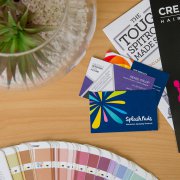
Well-designed print sticks around. It doesn’t get deleted or lost in a browser tab. Business cards, flyers, and even a simple magnet can stay in someone’s life for months.
A great print piece acts like a quiet little reminder. Someone might not need your service the moment they receive it, but when they do, it’s already there. It’s much easier to grab a card from the fridge than to scroll through twenty websites hoping one feels right.
And let’s not forget the people who still prefer picking up the phone over Googling. Older generations, especially, often feel more comfortable with a card in hand than digging through websites. Having print materials means you’re not leaving that whole audience behind.
The 6 pages every small business website should have
1. Home page
Your home page is usually the first impression.
It should quickly explain what you do, who you help, and why someone should choose you. It should also guide people to the next step, whether that is reading more about your services, viewing your work, or getting in touch.
2. About page
People want to know who they are dealing with.
Your about page helps build trust by sharing a bit about your business, your experience, your values, and what makes you different. This is especially important for service based businesses where people are buying into your team as much as your service.
3. Services page
Your services page should clearly explain what you offer.
If you offer one main service, that page can go into detail about how it works, who it is for, and the benefits. If you offer several services, this page can act as a hub that links through to more detailed service pages.
4. Individual service page
This is where many small business websites fall short.
Instead of listing everything on one general services page, it is usually much better to give your main services their own pages. That gives you more room to explain each one properly and gives Google more specific content to rank.
For example, instead of one short paragraph that says you do websites, branding, and SEO, you would have separate pages for each.
5. Portfolio, projects, or testimonials page
People want proof.
A page that shows real projects, client feedback, case studies, or examples of your work helps people feel more confident about choosing you. It shows that you have done this before and that you know what you are doing.
6. Contact page
This one sounds obvious, but it still needs to be done properly.
Your contact page should make it easy for people to get in touch. Include your form, phone number, email address, location if relevant, and a simple call to action. Do not make people hunt around for how to contact you.
Is 6 pages enough?
It is enough to get started properly, yes.
But if you want your website to rank better over time, then more pages will usually help, as long as they are useful and relevant.
More pages can mean:
- More chances to target specific services
- More chances to target different locations
- More blog content for Google to index
- More answers to customer questions
- More ways for people to land on your site
That is why a bigger website often performs better in search than a tiny one. It gives Google more content, more context, and more signals about what your business does.
What extra pages might a small business need?
Once you have your core 6 pages, the next step depends on your business.
You might benefit from pages like:
- A page for each service you offer
- A pricing page
- A frequently asked questions page
- A blog
- Location pages
- Industry specific pages
- A gallery or project page
- A resources page
These extra pages can make a huge difference, especially if you want to improve your visibility in Google and show up for more specific searches.
Need help planning the right pages for your website?
At Merge Media, we build websites that are designed to grow with your business, not hold it back. Whether you need a simple site to get started or a larger website with room to rank, we can help map out the right structure for your business from the start.
Lets chat about what pages your website really needs.