Landing Page vs Website Page: What’s the Difference?
A lot of people use the terms landing page and website page as if they mean the same thing.
They do not.
Both are pages on a website, but they are usually built to do very different jobs. If you are planning a new website, running ads, launching a service, or trying to improve conversions, it is worth understanding the difference, because choosing the wrong type of page can affect how well it performs.
The good news is, once you understand what each one is meant to do, it becomes much easier to decide what your business actually needs.
They might look similar, but they are not built for the same purpose
At a quick glance, a landing page and a normal website page can look quite similar. They both have text, images, buttons, and branding. They both live online, and they both help communicate information about your business.
But the real difference is in what they are designed to achieve.
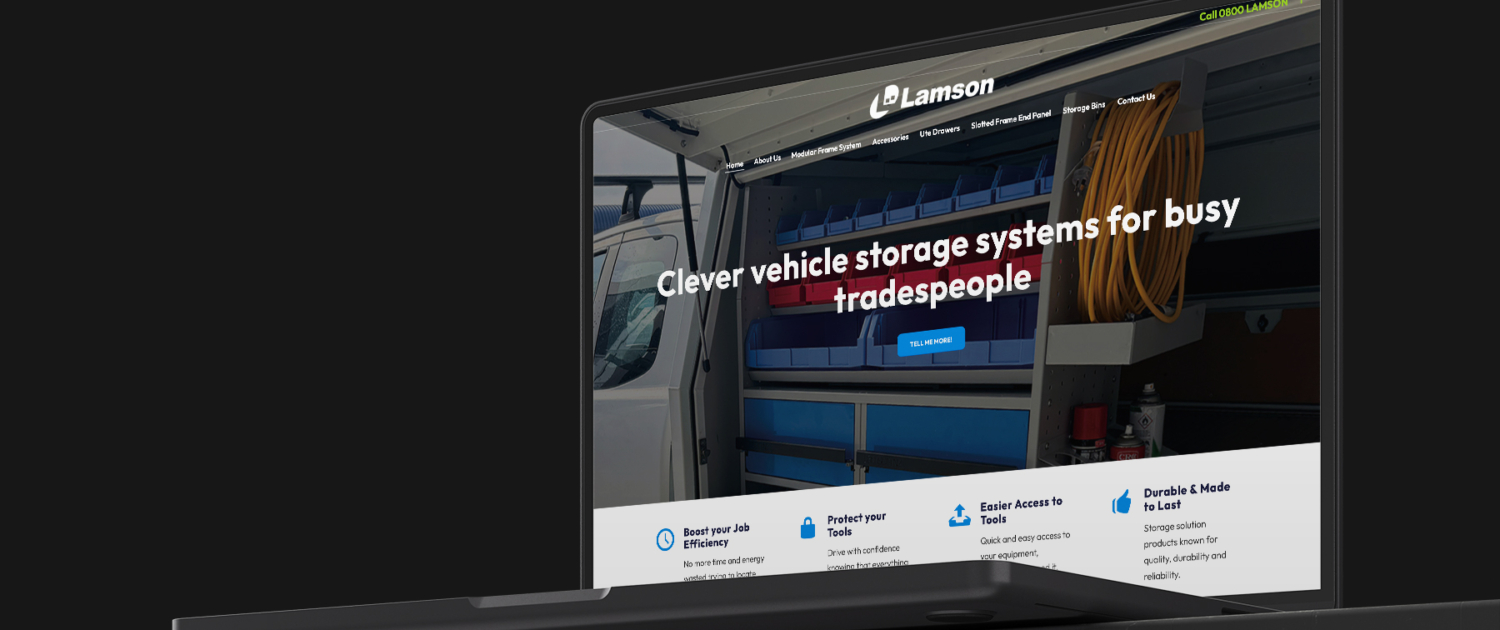
A website page is usually part of your main website structure. It helps people explore, learn more, and move around your site. A landing page is usually more focused. It is built around one main goal, and it tries to guide people toward one specific action.
That action might be making an enquiry, booking a call, downloading something, signing up, or clicking through to an offer.
So while they can look similar on the surface, the strategy behind them is often completely different.
What is a website page?
A website page is one of the standard pages that sits within your website.
This could be your:
• home page
• about page
• services page
• contact page
• blog post
• case study
• FAQ page
These pages are there to help people understand who you are, what you do, and how to find what they need. They are part of the bigger website journey.
A service page, for example, might explain a service in detail, answer common questions, show related work, and link people through to other parts of the site. It is designed to inform, build trust, and support the wider structure of your website.
Website pages are important for SEO too. They help search engines understand your services, your expertise, your location, and the overall structure of your website.
They are usually designed to support browsing, exploration, and long term visibility.
What is a landing page?
A landing page is usually created for one very specific purpose.
Rather than being part of a broad website journey, it is often built to capture attention and drive one clear action. That might be filling out a form, requesting a quote, downloading a guide, registering for an event, or responding to an ad campaign.
Landing pages are often used for:
• Google Ads campaigns
• Facebook or Instagram ads
• special promotions
• lead generation offers
• event registrations
• product launches
• targeted service campaigns
Because the goal is more focused, the layout is usually more focused too. A landing page often strips away distractions and keeps the visitor moving toward one main outcome. That means less general browsing, fewer competing links, and stronger calls to action.
It is not trying to tell people everything about your business.
It is trying to get them to do one thing, and do it well.
One supports SEO, one supports campaigns
This is a simple way to think about it.
Website pages are often built to support your long term online presence. They help your site rank, give search engines more content to crawl, and support your overall brand visibility.
Landing pages are often built to support specific campaigns or short term goals. They can still be useful for SEO in some cases, but that is not usually their main job. Their main job is to convert traffic that is already being driven there.
So if you are building out your core website, you are usually thinking about structure, content, search visibility, and trust.
If you are building a landing page, you are usually thinking about one audience, one offer, and one action. That is the key difference.
A lot of businesses send people to the wrong page
This is something we see quite often.
A business runs an ad, boosts a post, or promotes a service, then sends people to the home page. The problem is, the home page is often too broad. It is trying to do too many things at once, so the visitor has to work harder to figure out where to go next. That is where a landing page can make a big difference.
If someone has clicked because they are interested in one specific thing, the page they land on should match that interest. It should feel relevant straight away and make the next step obvious.
The more aligned the page is with the offer, the better chance you have of getting a result.
It all comes back to strategy
The page itself is only part of it.
What really matters is why the page exists, who it is for, and what you want it to do. That is where strategy comes in.
Before building any page, it helps to ask:
• Who is this page for?
• How will people get to it?
• What do they need to know?
• What action do we want them to take?
• Is this page meant to inform, rank, convert, or all three?
Once you are clear on that, it becomes much easier to work out whether you need a normal website page, a landing page, or a combination of both.
We can help you choose the right page for the job
This is exactly the kind of thing we help clients work through.
Sometimes a business does not need more pages, it just needs the right pages. A clearer service page, a better structured website page, or a focused landing page for a campaign can make a big difference to how well the site performs.
We build both, and we look at how each page fits into the bigger picture, whether that is SEO, lead generation, ads, brand trust, or overall user experience.
Because at the end of the day, a landing page and a website page are not the same thing. And using the right one for the right purpose can save a lot of wasted clicks.
Get in touch if you need help figuring out what kind of page you need!